Understanding Neuroplasticity
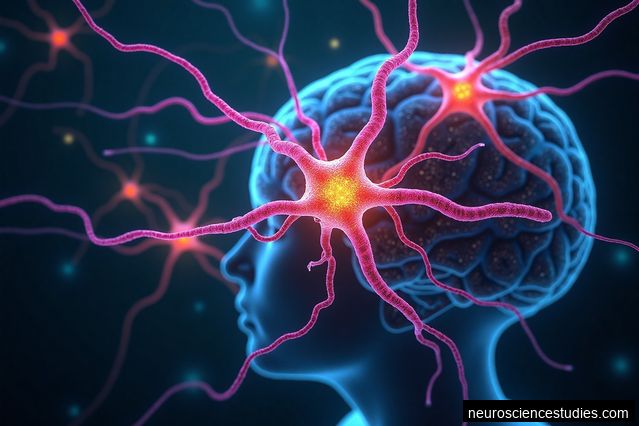
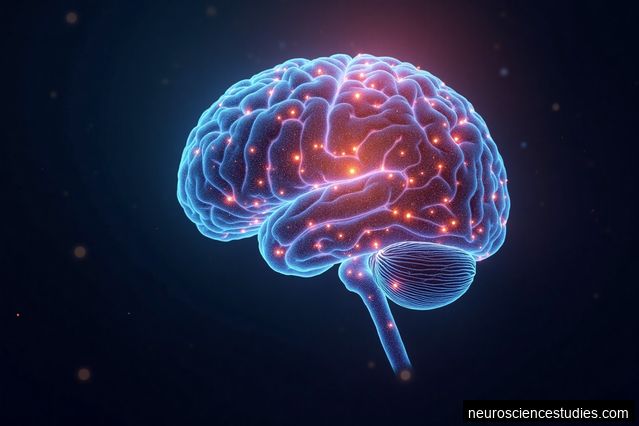
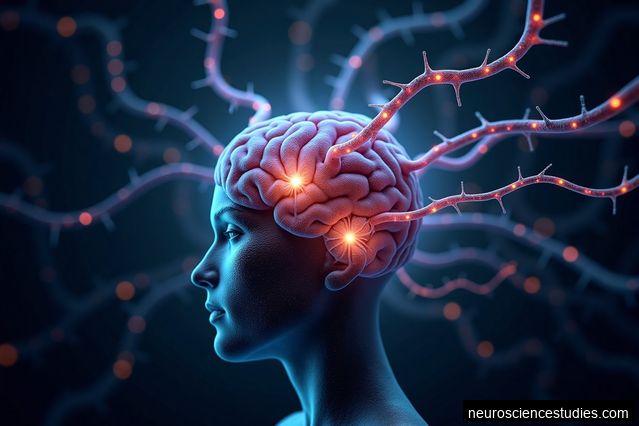
Neuroplasticity refers to the brain's ability to reorganize itself by forming new neural connections throughout life. In the past, it was believed that the brain's structure was fixed and unchangeable after a certain age. However, scientific research has shown that the brain is remarkably adaptable and can modify its own structure and function in response to experiences, learning, and environmental factors.
The Role of Synaptic Plasticity
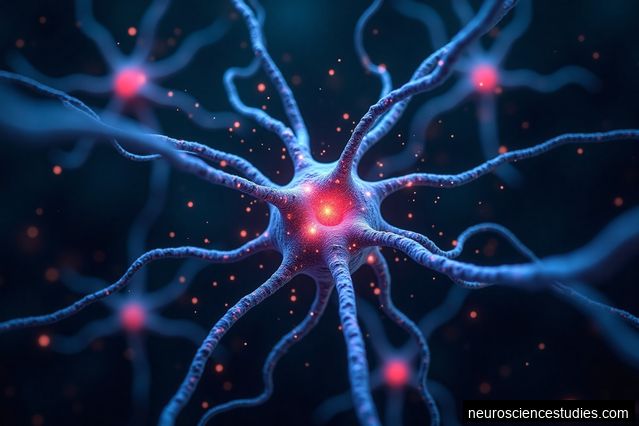
A key mechanism underlying neuroplasticity is synaptic plasticity. Synapses are the connections between neurons, and synaptic plasticity refers to the ability of these connections to change and strengthen or weaken over time. When we learn new things or repeatedly engage in certain activities, the synapses associated with those experiences become stronger, making it easier for signals to travel along those pathways. This process is known as long-term potentiation and is crucial for memory formation and learning.
Neuroplasticity and Learning
Neuroplasticity plays a significant role in learning and skill acquisition. When we engage in new activities or acquire new knowledge, our brain forms new neural connections and strengthens existing ones. This process enables us to improve our cognitive abilities, develop new skills, and adapt to new environments. Whether it's learning a musical instrument, acquiring a new language, or mastering a sport, neuroplasticity allows our brain to change and optimize its structure to support these new skills.
The Impact of Experience on the Brain
Our experiences shape our brain's structure and function. For example, studies have shown that individuals who regularly engage in activities that require mental effort, such as puzzles or learning a new instrument, have increased cortical thickness in certain brain regions associated with cognitive functions. On the other hand, a lack of stimulation and mental engagement can lead to a decline in brain plasticity. This highlights the importance of leading an intellectually stimulating and active lifestyle to maintain optimal brain health and function.
Neuroplasticity and Brain Injury Rehabilitation
Neuroplasticity also plays a crucial role in brain injury rehabilitation. When the brain suffers an injury, such as a stroke or traumatic brain injury, other areas of the brain can compensate for the damaged regions by rewiring and forming new connections. This remarkable ability of the brain to reorganize itself is the foundation of various rehabilitation techniques used to help individuals recover lost functions and regain independence.
The Importance of Rehabilitation and Training
Rehabilitation programs that utilize neuroplasticity principles focus on intensive training and repetition to stimulate the brain's ability to rewire itself. By engaging in targeted activities and therapies, individuals can improve their motor skills, speech, and cognitive functions. These interventions take advantage of the brain's adaptability and provide the necessary stimuli to promote the formation of new neural connections.